50–75 %
Maintenance time reduction

Industry
Non-contact cleaning that preserves joints, sensors, and tooling
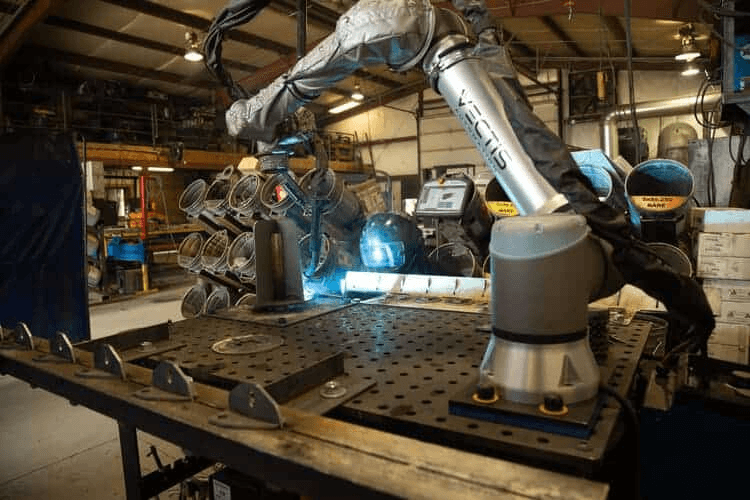
Welding cells accumulate spatter, flux, and fumes that seize clamps, foul joints, and obscure sensors. Manual chiseling and solvents are slow, hazardous, and damage lightweight tooling.
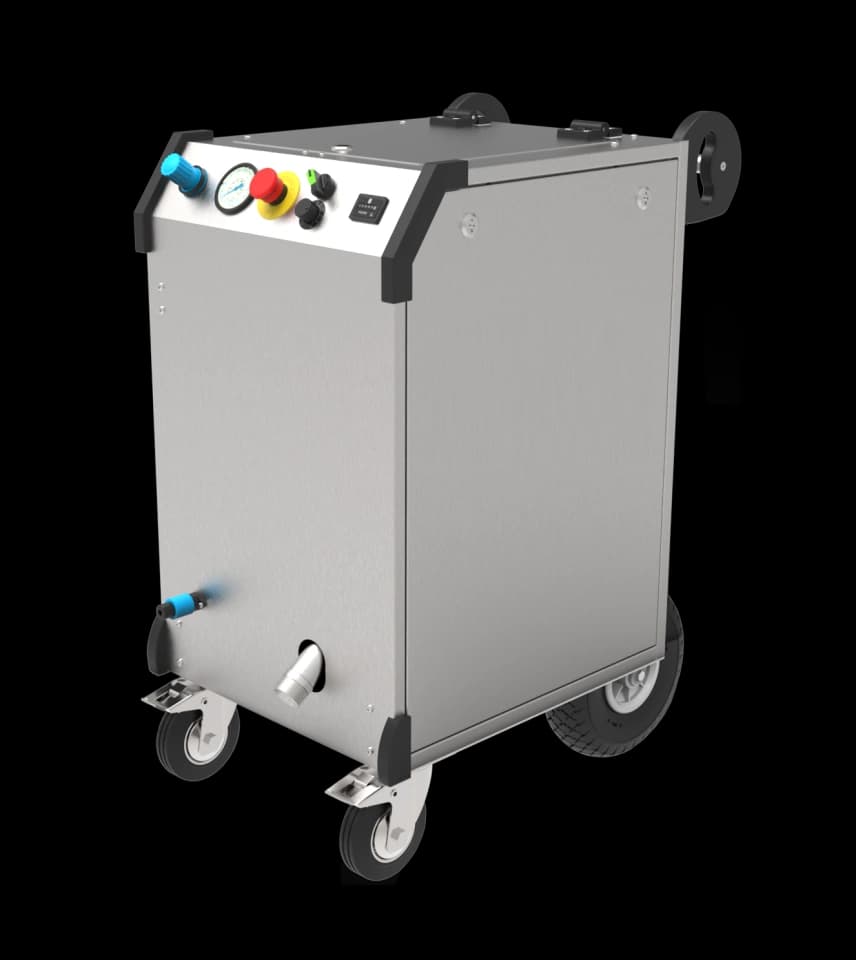
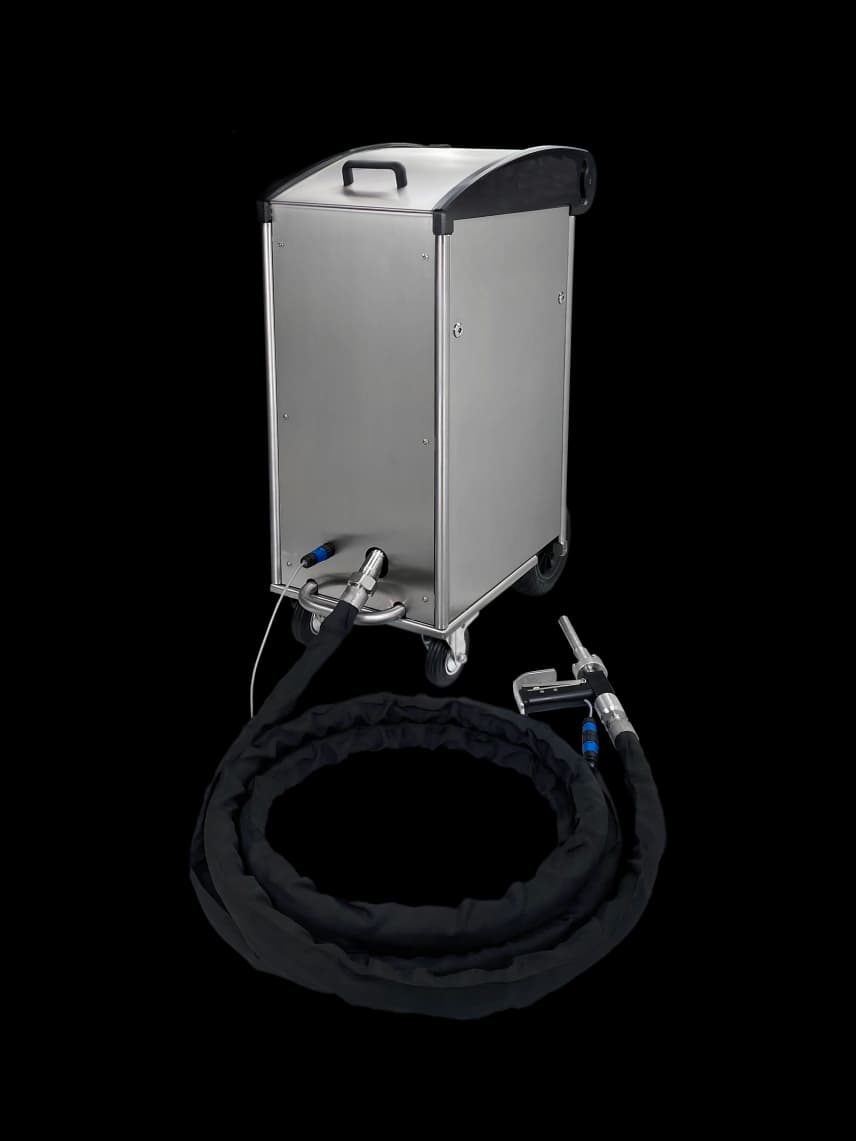
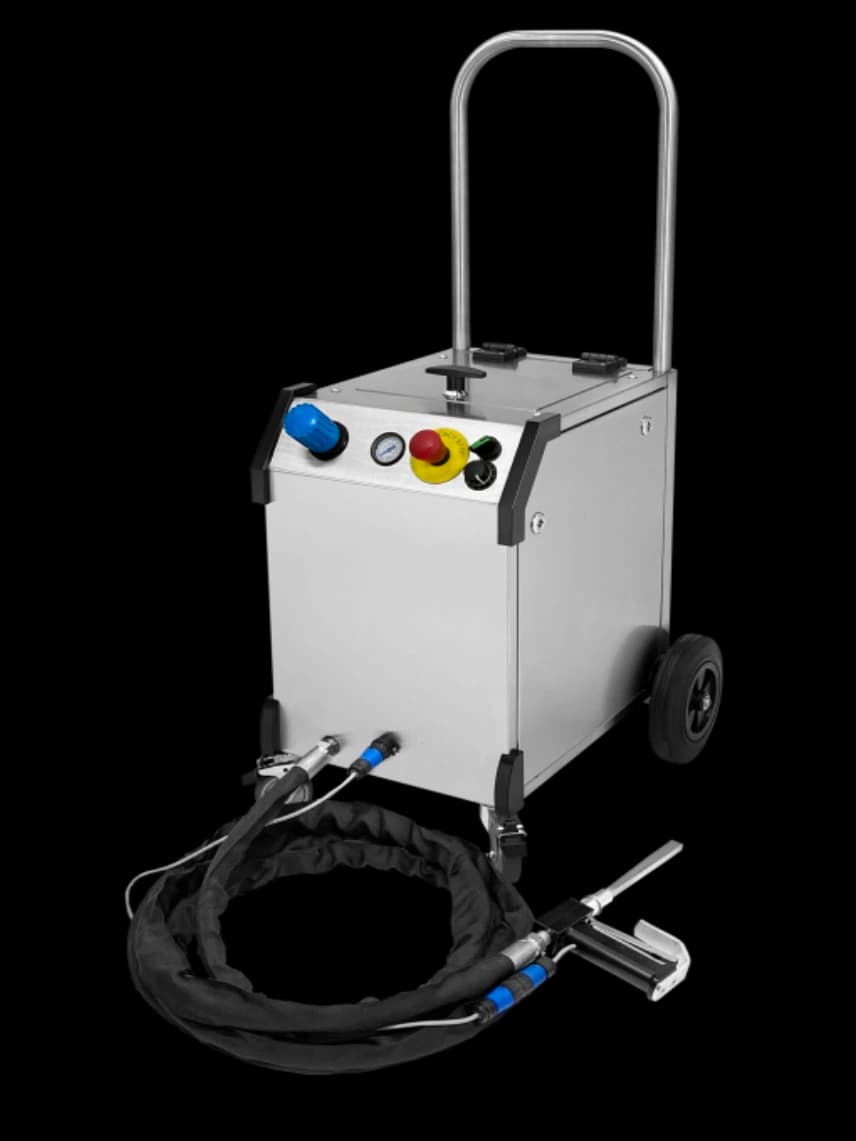
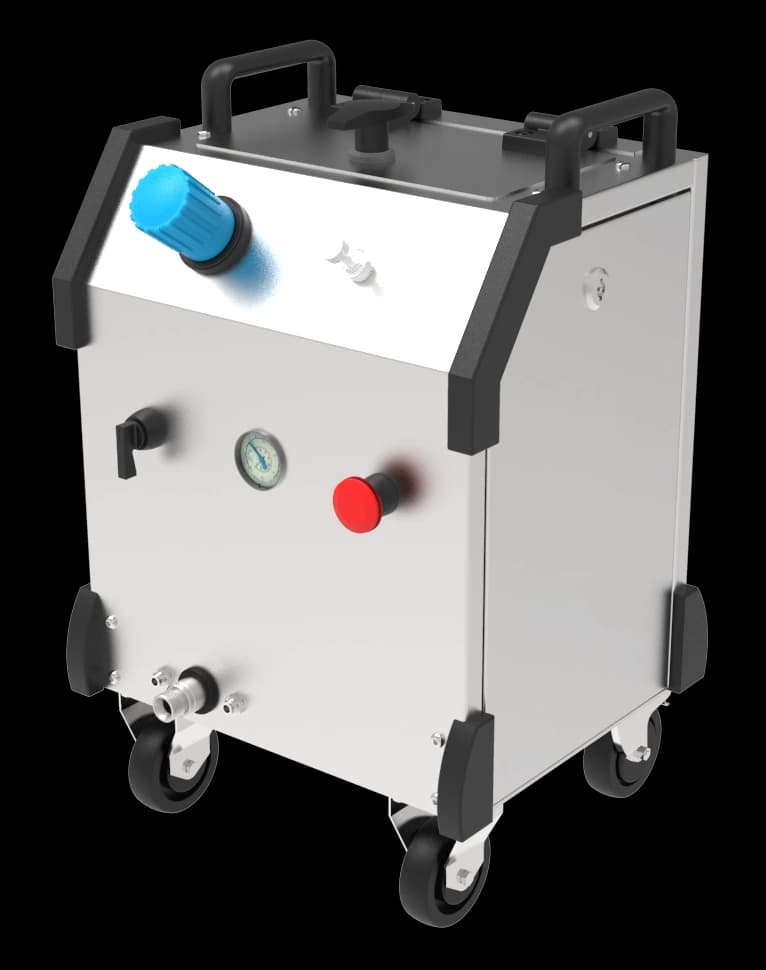
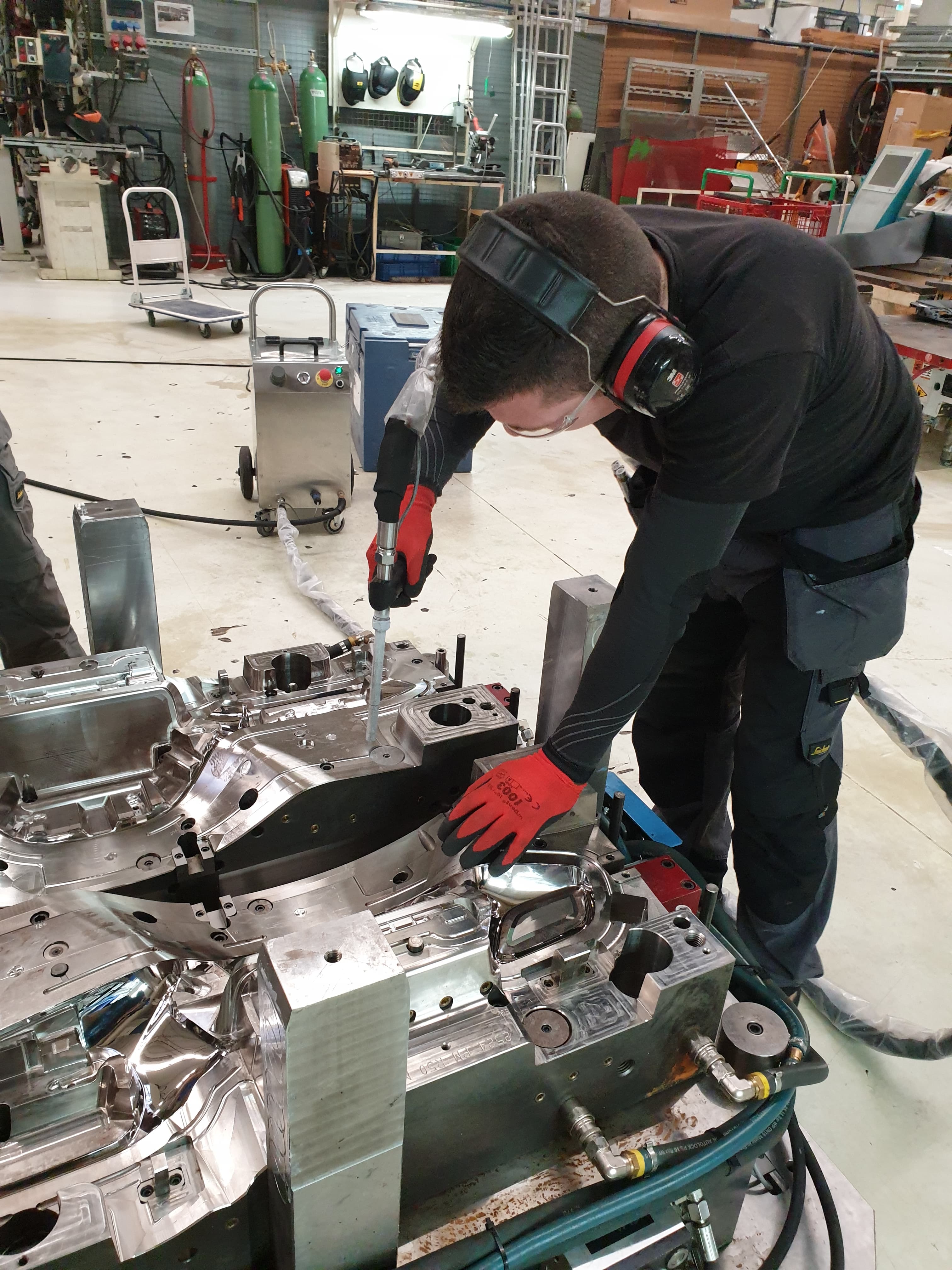
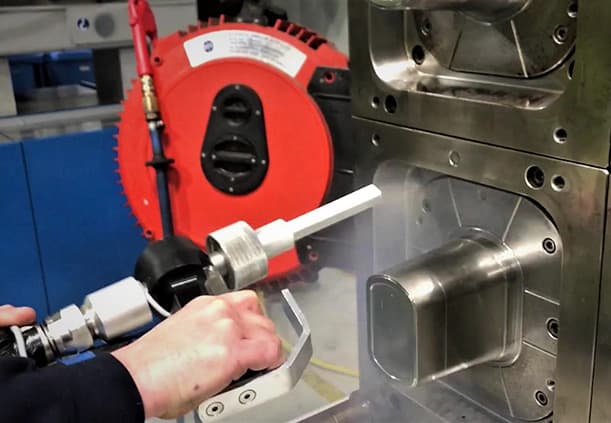
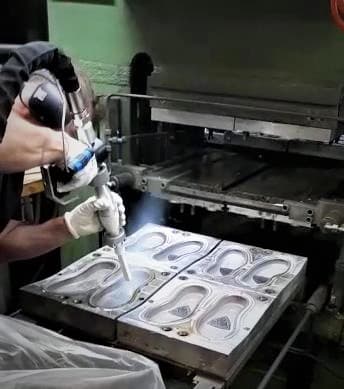
CO₂ pellets accelerate to high velocity and flash-sublimate on impact. The thermal/acoustic micro-impulse fractures residues and lifts them off metal and polymers without abrasion, moisture, or conductive films.
Robots and jigs are cleaned in place, axes move freely, sensors read correctly, and parts locate repeatably—shortening stoppages and reducing safety and rework risks.
50–75 %
Maintenance time reduction
0
Abrasives, water, or solvents used
10–20 min
Typical robot touch-up window
2–5 %
OEE improvement from fewer micro-stops
3–6×
Longer interval between manual chisels
$60–140k/yr
Downtime + consumable savings / cell group
Avoid hammering that loosens fasteners and accelerates bearing wear.
Dry, non-conductive stream around encoders, drives, and dress packs.
Clean datum faces and clamps to stabilize part location and quality.
Slot 10–20 minute touch-ups between shifts instead of long teardown windows.
CO₂ vaporizes on impact—no grit, slurry, or solvent disposal.
Eliminate aggressive solvents and sharp-edge chiseling tasks.
Reduce mechanical damage to grippers, wrists, and sensors.
Repeatable cycles make maintenance planable across cells and lines.
This model estimates annual savings from downtime avoided, consumables reduced, and optional labor savings. It also shows annualized equipment cost, payback, and year-one ROI.
Range: 0–10000
Range: 0–24
Range: 0–100000
Range: 0–1000000
Total annual savings
$77,040
Net annual benefit
$68,823
Payback
3.6 months
ROI (Year 1)
335%
Downtime savings (annual)
$69,120
Consumable savings (annual)
$7,920
Labor savings (annual)
$0
Estimates only. For a formal model including utilities, logistics, and shift coverage, book a demo.
Demo on a representative robot and jig; verify removal rate on spatter and resin.
Define target zones, nozzle set, airflow, and cadence; estimate pellet use and downtime avoided.
Adopt 10–20 minute touch-ups plus periodic deep cleans; track OEE and fault reductions.
“We eliminated chiseling on wrists and clamps. Faults dropped, parts release cleanly, and we reclaimed hours every week across the line.”

Andre P.
Manufacturing Engineer, AutoFab Systems
Request a quick, no-obligation quote. We’ll size the right blaster/nozzles, estimate pellet usage, and outline payback across your cell group.