40–65 %
Faster remediation vs. wash/soda
Industry
Dry, chemical-free recovery after fire and smoke
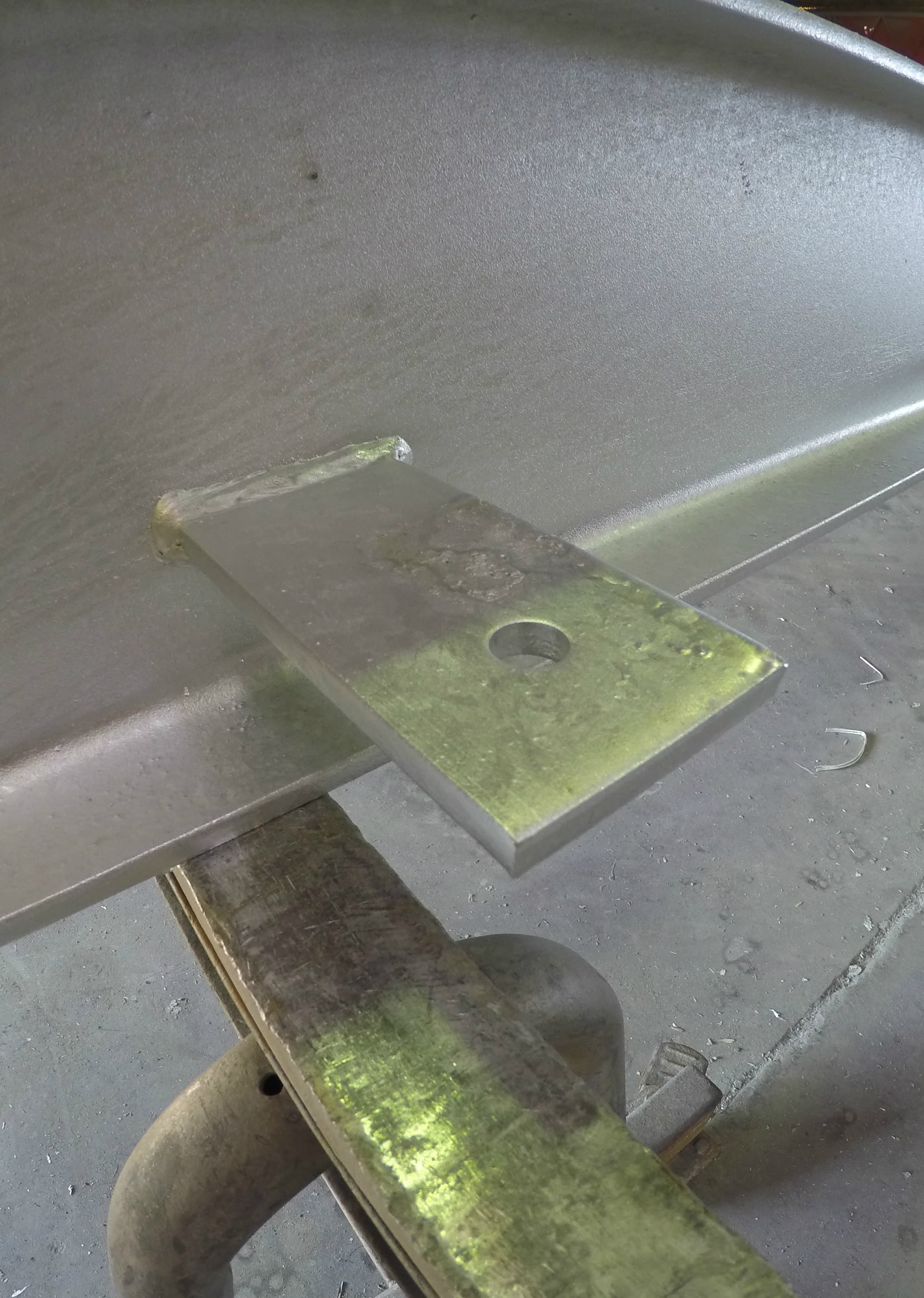
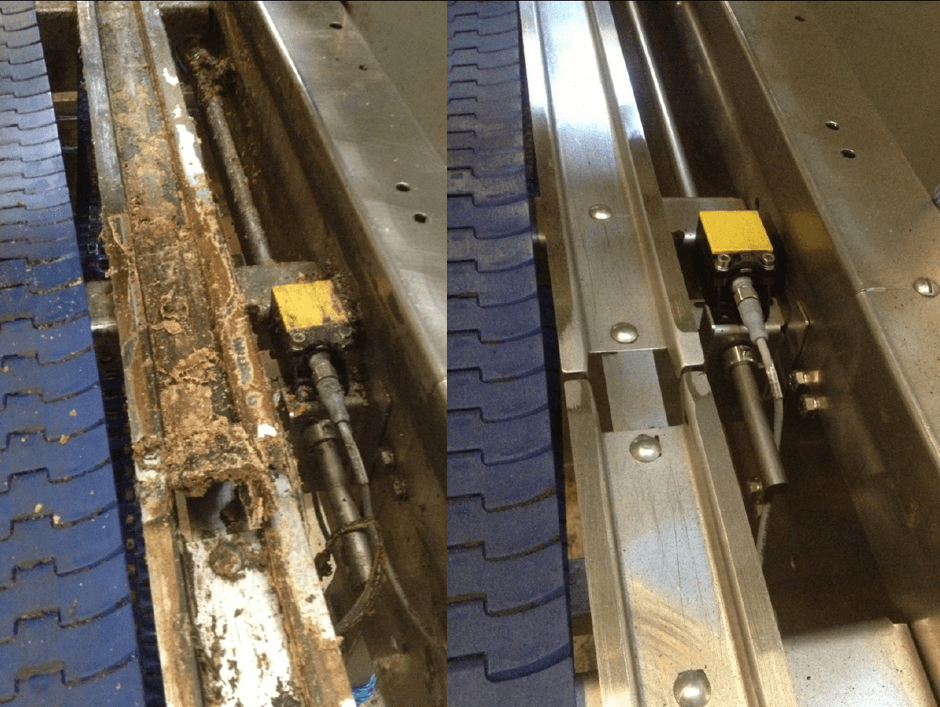
Fire leaves soot, oily smoke film, char, and chloride salts that stain, corrode, and trap odor. Wet methods spread contaminants, prolong dry-time, and risk further damage to structures and electronics.
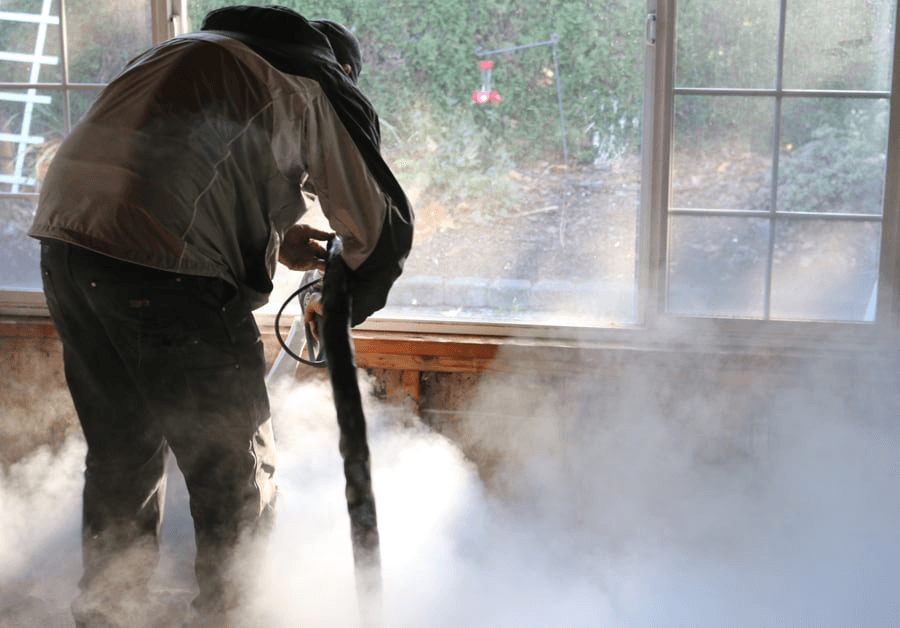
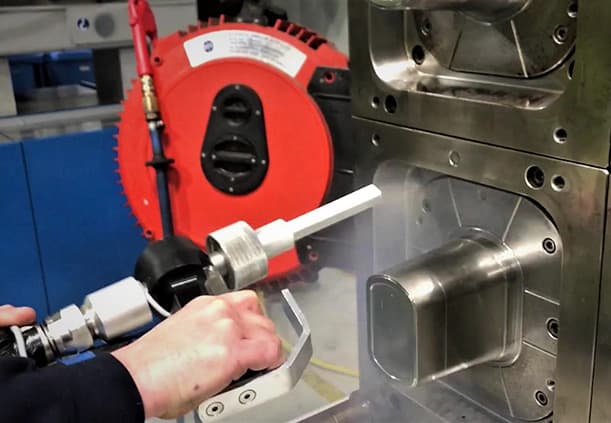
CO₂ pellets accelerate to high velocity and flash-sublimate on impact. The thermal/acoustic micro-impulse fractures char and lifts soot films without abrasion or moisture, leaving a clean, dry surface.
Crews finish faster with less tear-out and no slurry. Substrates are ready for encapsulant or repaint, electronics avoid re-wetting, and corrosion risk drops—supporting quicker reopenings.
40–65 %
Faster remediation vs. wash/soda
0
Water or chemicals added
–78 °C
Media temperature at impact
1–3 h
Typical zone setup/teardown
2–5×
Less surface tear-out
$25–80k
Typical material & labor savings / job
Avoid secondary water damage and extended dry-times; speed re-occupancy.
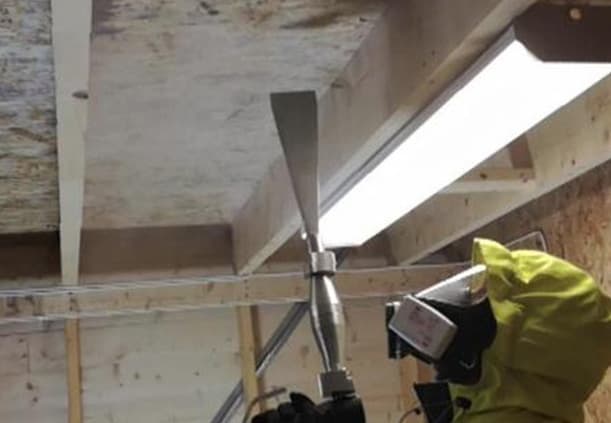
Preserve framing, decking, and masonry by removing char without grinding.
Lift char and soot films that hold odor before sealing or repainting.
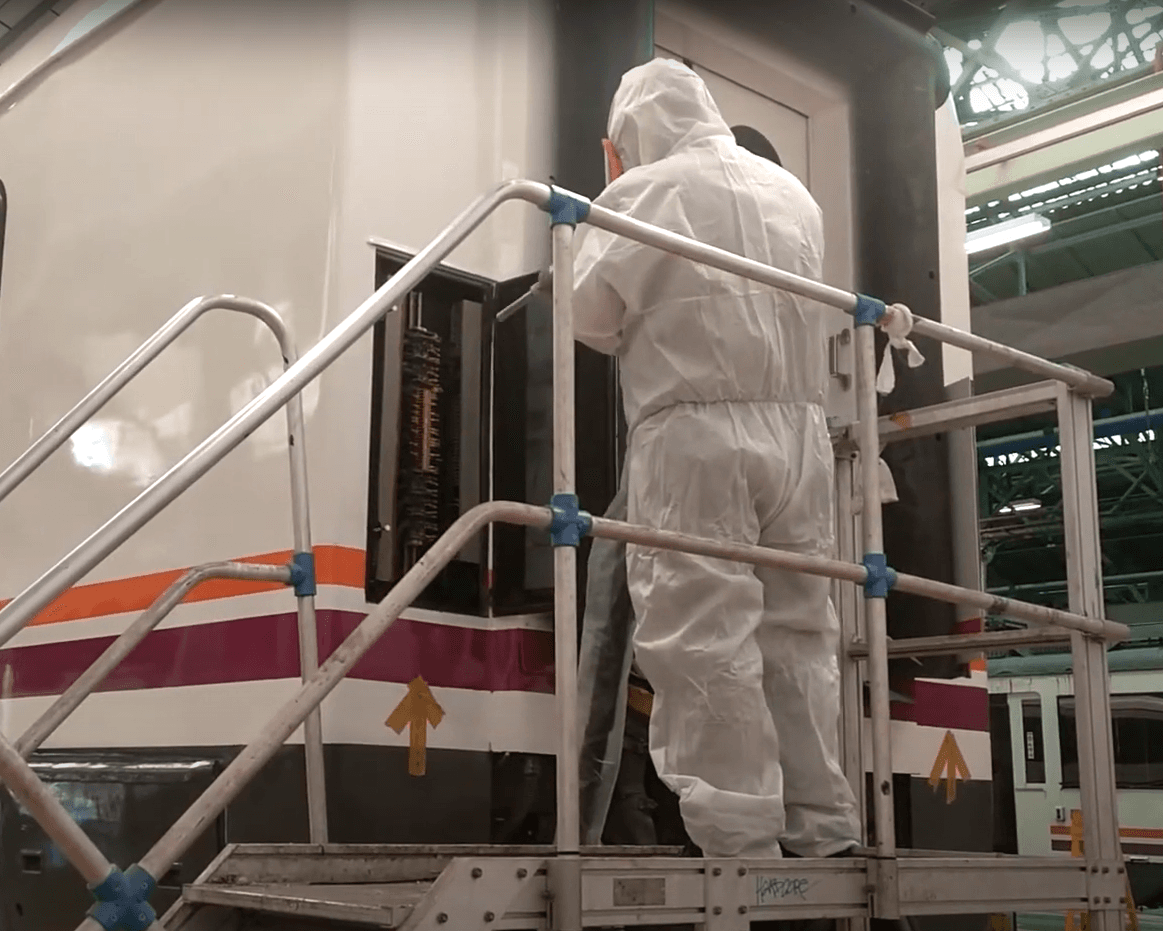
Non-conductive and dry—reduce shorting and corrosion on panels and boards.
CO₂ vaporizes on impact—no slurry or soda to collect and dispose.
Lower dust load than sanding; easier containment and HEPA housekeeping.
Consistent, repeatable finish ready for encapsulants or topcoats.
Cut consumables, disposal, tear-out, and schedule overruns across projects.
This model estimates annual savings from downtime avoided, consumables reduced, and optional labor savings. It also shows annualized equipment cost, payback, and year-one ROI.
Range: 0–10000
Range: 0–24
Range: 0–100000
Range: 0–1000000
Total annual savings
$63,680
Net annual benefit
$54,747
Payback
4.7 months
ROI (Year 1)
255%
Downtime savings (annual)
$56,160
Consumable savings (annual)
$7,520
Labor savings (annual)
$0
Estimates only. For a formal model including utilities, logistics, and shift coverage, book a demo.
Test representative zones—steel, wood, masonry, and panels—to confirm removal rate and finish.
Set nozzle/insert and pressure ranges by surface; model pellet usage, labor delta, and schedule savings.
Run dry-ice cleaning, apply encapsulant as required, and document results for insurer and clearance.
“We saved most of the structural wood and avoided water damage to electrical gear. The site cleared faster with no slurry cleanup.”

Dana R.
Project Manager, Rapid Restore
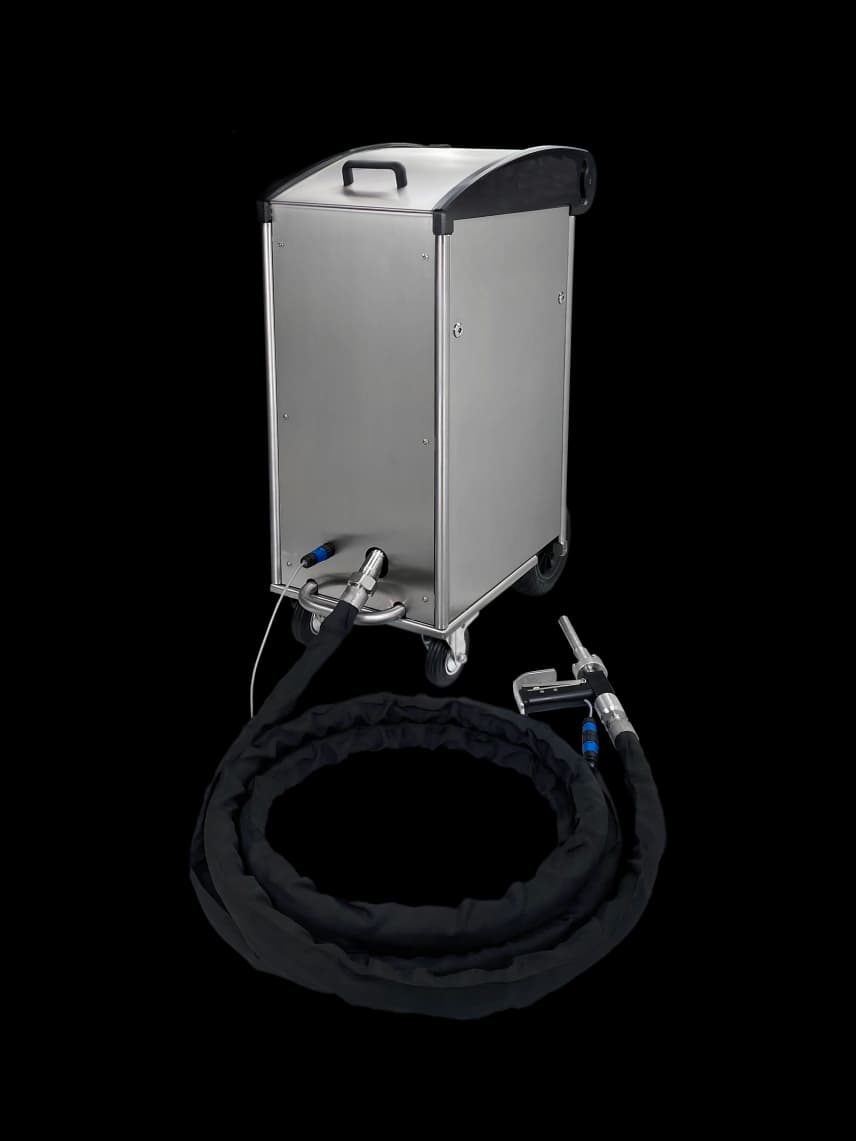
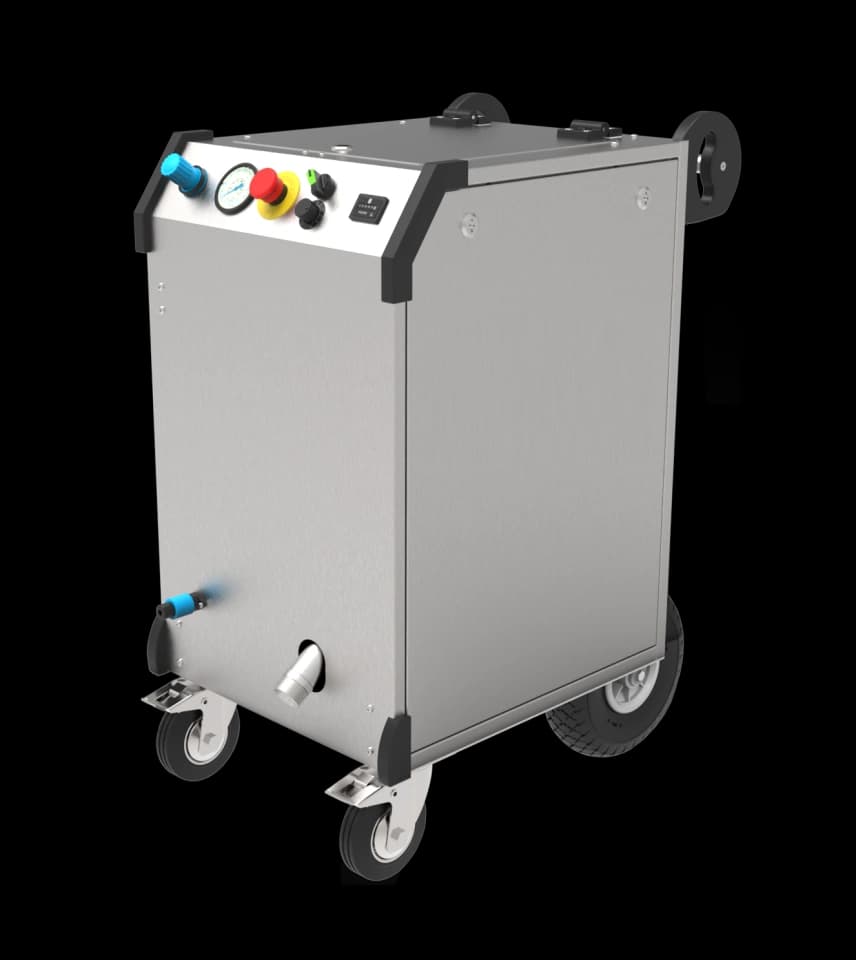
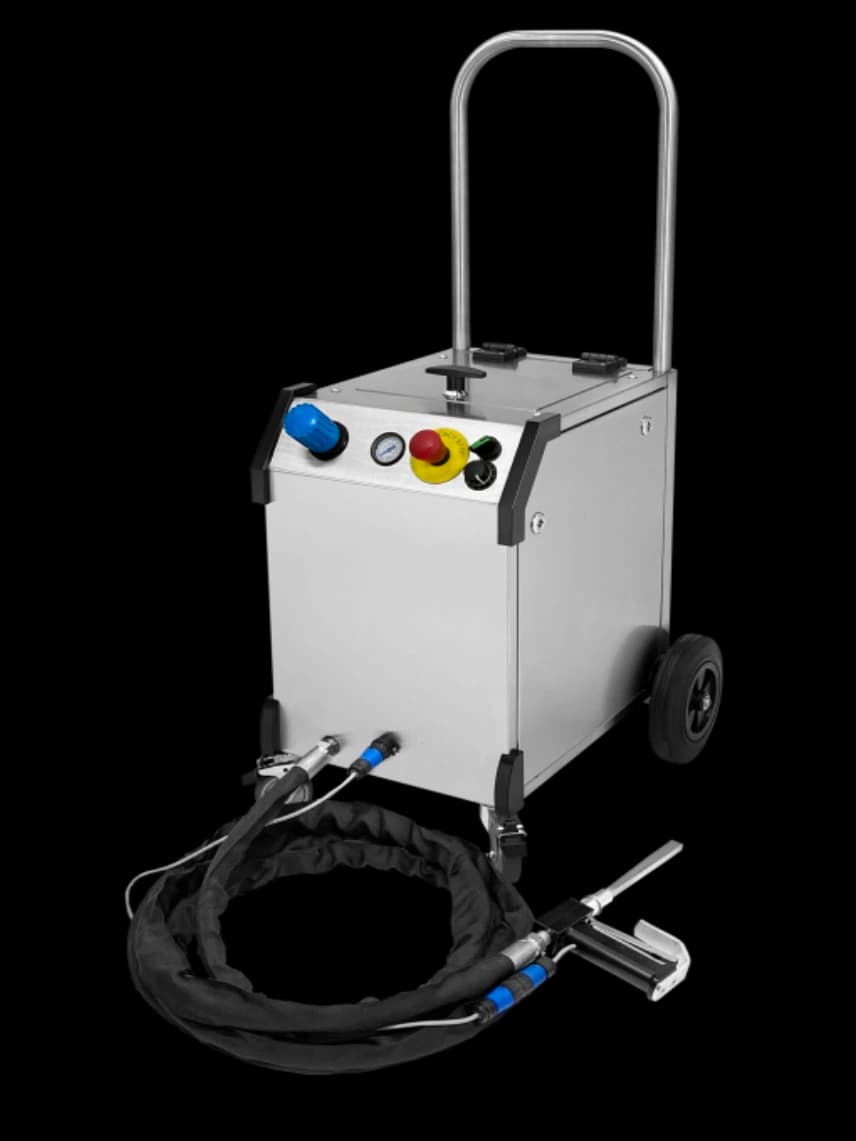
Request a quick, no-obligation quote. We’ll size the right blaster/nozzles, estimate pellet usage, and outline payback across your job mix.