
Buying Guide10 min read
Dry Ice Blaster Cost Guide (2026)
Market overview
Industrial dry ice blaster prices in 2026
The commercial dry ice blasting machine market in 2026 is wide. Published industry figures put typical industrial machines between $8,000 and $25,000 for mid-range models, with higher-output and continuous-production units reaching $30,000–$40,000+. Used or entry-level portable units can dip below $5,000, but so does their throughput.
PureBLAST equipment pricing is quote-based and varies by configuration. A fair industrial buying budget looks like this:
Swipe the table sideways to see every column.
| Budget range | What you get | Typical use |
|---|---|---|
| Under $5,000 | Entry-level portable / used equipment | Hobby, occasional small-part cleaning |
| $5,000–$12,000 | Compact pro units (air-only) | Touch-ups, electronics, light maintenance |
| $12,000–$25,000 | Mid-range industrial (larger hopper, electrical vibrator) | Daily maintenance, small shop production |
| $25,000–$40,000+ | Heavy industrial (high pressure, high throughput) | Adhesives, tooling cleaning, continuous production |
What actually drives the price?
Six spec lines account for most of the cost delta between a $10K unit and a $35K unit:
- Pressure envelope. A 232 psi machine like the PureBLAST 3000 uses heavier-duty hoses and reinforced guns vs the 145 psi Nano.
- Air demand capacity. Machines rated for higher CFM (530 CFM on the 2500, 883 CFM on the 3000) use bigger internal plumbing and larger hoses.
- Hopper capacity and construction. A 55.1 lb stainless steel hopper costs meaningfully more to build than a 6.6 lb hopper.
- Electrical vibrator / feed consistency. Pure pneumatic units (like the Nano) are cheaper. Electrical-vibrator feed systems guarantee consistent pellet flow at all pressures.
- Included accessories. The base machine is rarely your final price. Factor in nozzles, extensions, holders.
- Warranty + service support. Parts availability, on-site support, and training add price but dramatically reduce real total cost of ownership.
Should you buy or hire a dry ice blasting service?
Outsourced dry ice blasting services typically bill $150–$300/hr on-site (higher for specialty work). For a shop that cleans monthly, that's cheaper than owning. For a plant that cleans weekly, ownership usually pays back inside a year.
The math:
- Weekly 4-hour service visits × $250/hr ≈ $52,000/year.
- Mid-range PureBLAST Mini owned in-house: one-time machine cost + labor already on payroll + media cost ≈ well under $20,000 annualized.
- If you clean more than ~6 hours/week, ownership wins on raw dollars alone, before you count scheduling flexibility.
ROI math: where the real savings come from
The machine price is rarely the decisive number. Four line items move the ROI case more:
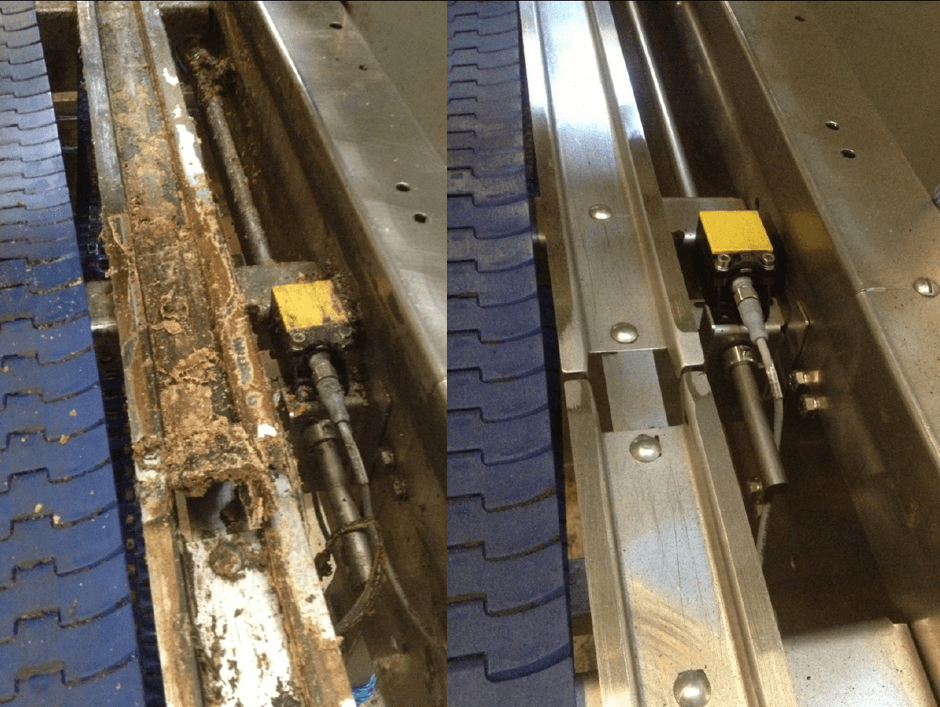
- Downtime avoided. In-place cleaning without teardown saves hours per changeover. On a line with $500/hr machine rate, saving 6 hours/month = $36,000/year.
- Consumables avoided. No solvents, no abrasive media, no disposal.
- Labor reduction. One operator with a blast gun does what often took two or three with hand tools and solvents.
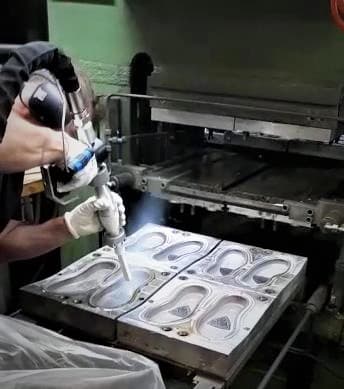
- Scrap + quality. Cleaner tooling = fewer parts rejected. On a high-cavity mold, a single bad shift of scrap can pay for a blaster.
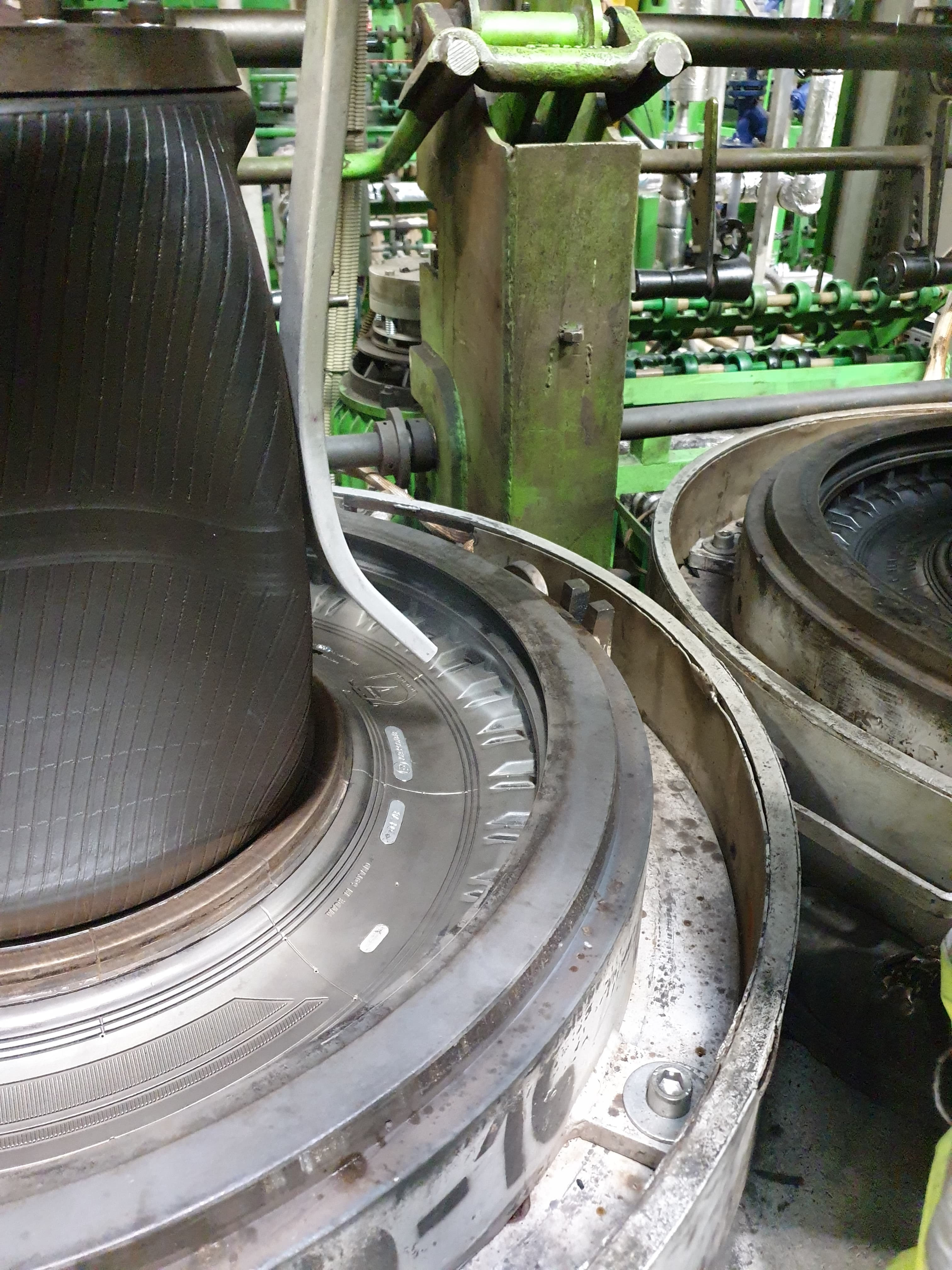
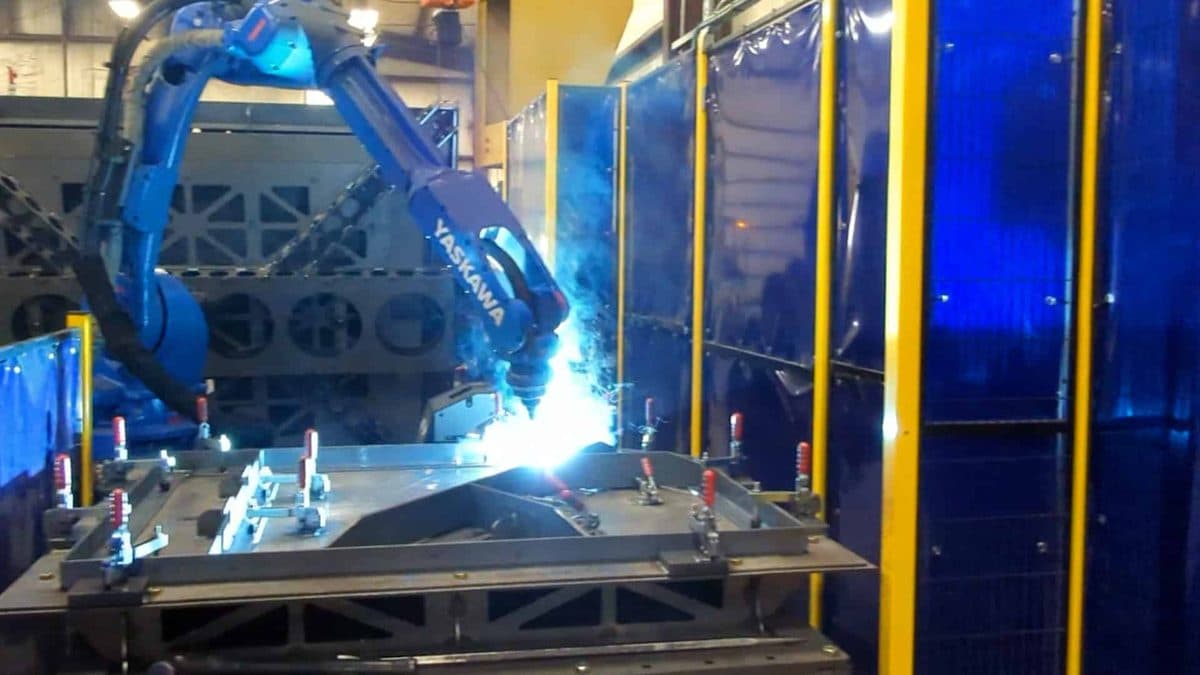
Our Plastic Injection, Tire Molds, and Welding Robots pages each have an ROI calculator you can plug your actual numbers into.
Get a quote tailored to your plant
Price ranges referenced in this article reflect 2026 industry figures reported by Cold Jet and Aiolith's 2026 equipment pricing guide. PureBLAST pricing is quote-based.