
Comparison · Dry ice vs sand and soda
Dry Ice vs. Sand & Soda Blasting
Choosing the right blasting medium has a profound impact on surface quality, environmental footprint, clean-up costs and equipment longevity. The table below contrasts dry ice blasting with sand and soda blasting across critical factors so you can select the best option for your application.
Dry Ice vs. Sand & Soda Blasting: Side-by-Side Comparison
| Criterion | Dry Ice | Sand | Soda |
|---|---|---|---|
| Abrasiveness | Non-abrasive; protects surfaces | Highly abrasive; can damage substrates | Mildly abrasive; less harsh than sand |
| Toxicity & Safety | Non-toxic, food-grade and EPA/FDA/USDA approved | May generate hazardous dust when removing chemicals | Can be toxic when blasting hazardous materials |
| Secondary Waste | No residue; pellets sublimate on impact | Produces significant grit requiring clean-up | Leaves powder residue that collects in crevices |
| Environmental Impact | Uses recycled CO2; carbon-neutral process | Silica or media can harm ecosystems | Bicarbonate can alter soil pH and affect vegetation |
| Electrical Safety | Non-conductive; safe on live components | Not suitable near delicate electronics | Improved over sand but leaves residue and moisture |
| Downtime & Cleanup | Minimal downtime; no post-blast clean-up | Requires significant shutdown and debris removal | Requires shutdown; extensive residue clean-up |
| Equipment Wear & Tear | Non-abrasive; extends equipment life | High abrasion shortens tool and surface life | Moderately abrasive; still causes wear over time |
| Product Quality & Scrap | Frequent cleaning improves quality and reduces scrap | Surface damage and slow cleanup can lower quality | Residue and inconsistent cleaning affect quality |
| Return on Investment & Maintenance | Fast process, low maintenance and no media disposal deliver strong ROI | Lower equipment cost but high media and maintenance expenses | Lower initial cost but ongoing media and waste disposal costs |
| Labor Efficiency | Reduces labor for masking, disassembly and waste removal | Requires extensive preparation and clean-up labor | Less labor than sand but still significant preparation and cleanup |
Abrasiveness
- Dry Ice
- Non-abrasive; protects surfaces
- Sand
- Highly abrasive; can damage substrates
- Soda
- Mildly abrasive; less harsh than sand
Toxicity & Safety
- Dry Ice
- Non-toxic, food-grade and EPA/FDA/USDA approved
- Sand
- May generate hazardous dust when removing chemicals
- Soda
- Can be toxic when blasting hazardous materials
Secondary Waste
- Dry Ice
- No residue; pellets sublimate on impact
- Sand
- Produces significant grit requiring clean-up
- Soda
- Leaves powder residue that collects in crevices
Environmental Impact
- Dry Ice
- Uses recycled CO2; carbon-neutral process
- Sand
- Silica or media can harm ecosystems
- Soda
- Bicarbonate can alter soil pH and affect vegetation
Electrical Safety
- Dry Ice
- Non-conductive; safe on live components
- Sand
- Not suitable near delicate electronics
- Soda
- Improved over sand but leaves residue and moisture
Downtime & Cleanup
- Dry Ice
- Minimal downtime; no post-blast clean-up
- Sand
- Requires significant shutdown and debris removal
- Soda
- Requires shutdown; extensive residue clean-up
Equipment Wear & Tear
- Dry Ice
- Non-abrasive; extends equipment life
- Sand
- High abrasion shortens tool and surface life
- Soda
- Moderately abrasive; still causes wear over time
Product Quality & Scrap
- Dry Ice
- Frequent cleaning improves quality and reduces scrap
- Sand
- Surface damage and slow cleanup can lower quality
- Soda
- Residue and inconsistent cleaning affect quality
Return on Investment & Maintenance
- Dry Ice
- Fast process, low maintenance and no media disposal deliver strong ROI
- Sand
- Lower equipment cost but high media and maintenance expenses
- Soda
- Lower initial cost but ongoing media and waste disposal costs
Labor Efficiency
- Dry Ice
- Reduces labor for masking, disassembly and waste removal
- Sand
- Requires extensive preparation and clean-up labor
- Soda
- Less labor than sand but still significant preparation and cleanup
Why Dry Ice Excels
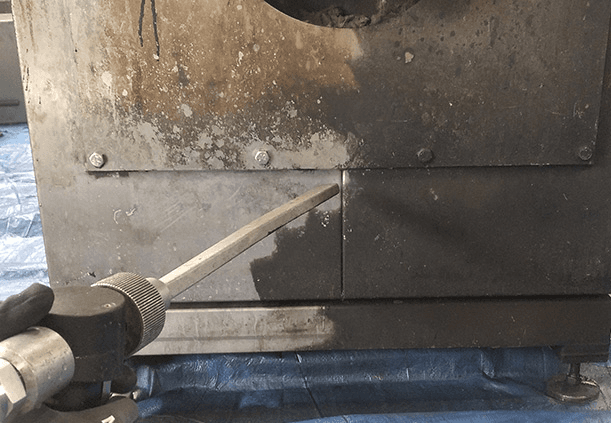
Dry ice blasting is the only method that cleans and departs without leaving anything behind. The CO2 pellets sublimate completely, so there is no secondary waste to sweep up or dispose of. Its gentle impact protects substrates from abrasion and extends the life of molds, dies and painted surfaces. In addition, dry ice cleaning improves product quality by enabling frequent, on-line cleaning without lengthy cooldowns or disassembly.
Because there is no media to collect, labor requirements are significantly reduced. Faster cycle times and reduced wear mean a stronger return on investment compared to traditional blasting. Dry ice blasting is also food-grade, non-toxic and safe for electrical components, making it ideal for sensitive environments where cleanliness and uptime are paramount.
Ready to see the difference for yourself? Browse our PureBlast equipment lineup or request a personalized consultation. Our experienced team can help you select the right model and provide training to maximize your results.