
Comparison11 min read
Dry Ice vs Sand vs Soda Blasting
On this page
Short answer
The 30-second summary
Pick dry ice when you need to protect the substrate, avoid secondary waste, or clean around electronics, food contact surfaces, or expensive tooling. Pick sand when you need aggressive surface preparation (rust removal, paint stripping) on durable outdoor steel where cleanup cost is acceptable. Pick soda when you want a softer abrasive than sand (typically delicate automotive or masonry) and you can tolerate the residue.
Side-by-side comparison
Swipe the table sideways to see every column.
| Criterion | Dry ice | Sand | Soda |
|---|---|---|---|
| Abrasiveness | Non-abrasive (1.5–2 Mohs) | Highly abrasive (7 Mohs) | Mildly abrasive |
| Secondary waste | None; pellets sublimate | Heavy grit; requires containment | Powder residue in crevices |
| Electrical safety | Non-conductive; safe on live gear | Not suitable near electronics | Improved vs sand; leaves residue |
| Food-contact safe | Yes; EPA/FDA/USDA approved | No | Usually no (residue risk) |
| Surface preservation | Protects substrate | Can erode substrate | Mild erosion over time |
| In-place cleaning | Yes; no teardown | Rarely; containment required | Possible with drapes |
| Hourly service rate (typical) | $150–$300/hr | From ~$75/hr | $1,200–$1,600 per job |
| Environmental | Reclaimed CO₂; no new footprint | Silica health risk; disposal | Alters soil pH if uncontained |
| Best for | Molds, electronics, food lines, restoration | Rust/paint on outdoor steel | Delicate automotive, masonry |
Hourly cost vs total cost
On sticker price, sand blasting looks cheapest. From publicly-published rates: sand services start around $75/hr. Dry ice services typically run $150–$300/hr. Soda blasting jobs are often quoted flat, $1,200–$1,600 per vehicle on automotive work.
Hourly rate is the wrong lens. What matters is total cost including preparation, downtime, and cleanup. Dry ice:
- Does not require masking or containment.
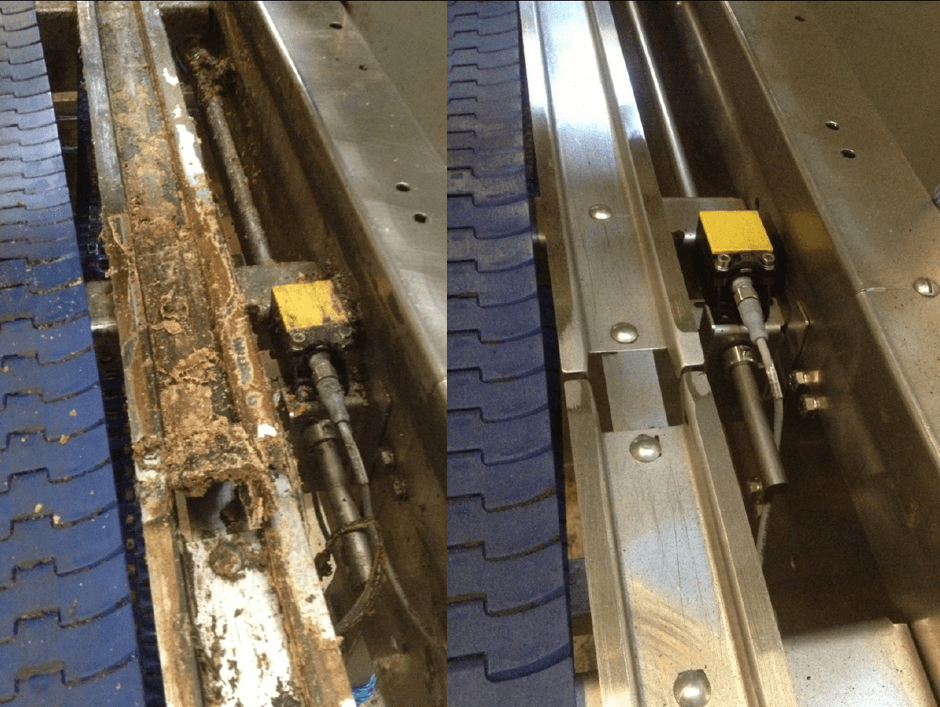
- Can be done on hot, live equipment with no teardown.
- Leaves nothing on the floor to vacuum, sweep, or dispose of.
- Rarely damages the underlying surface, so re-painting / re-plating is usually skipped.
When you include containment labor, waste disposal, downtime, and re-finishing, dry ice often wins on total cost, even when it loses on hourly rate.
When dry ice wins
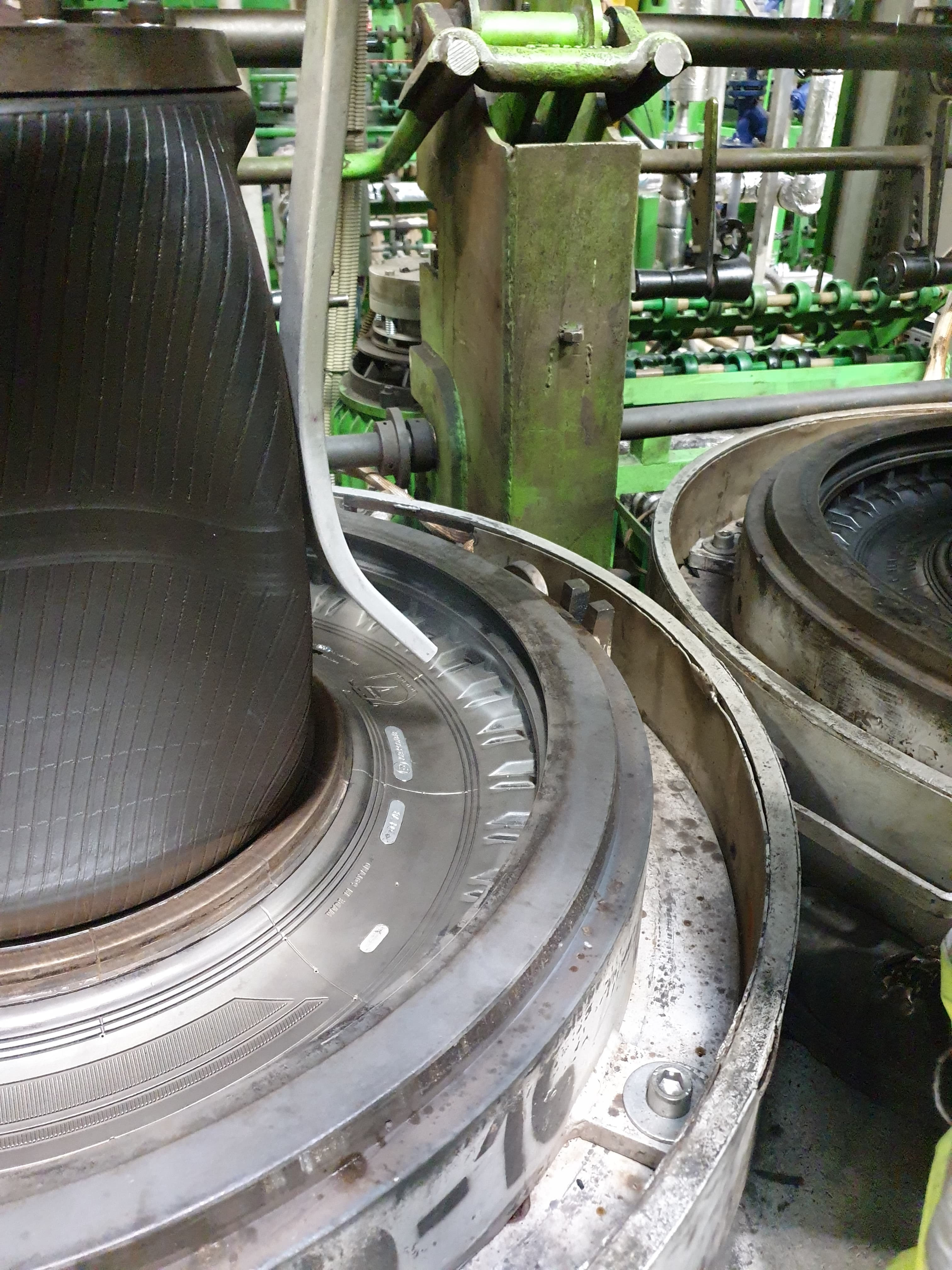
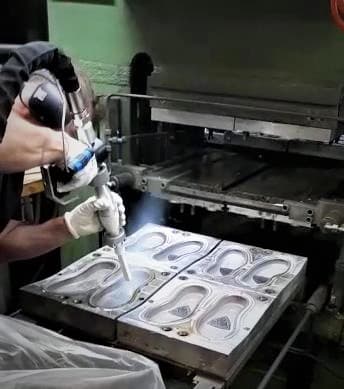
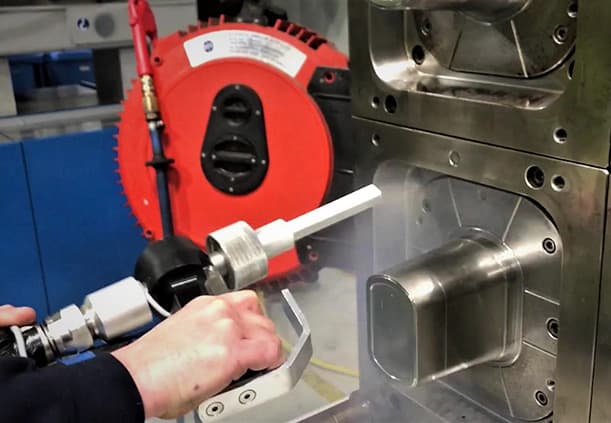
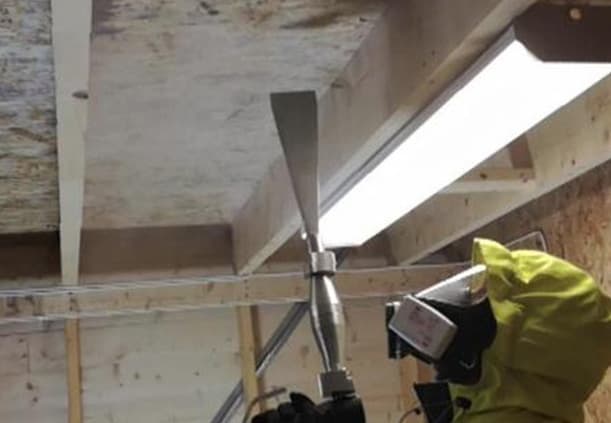
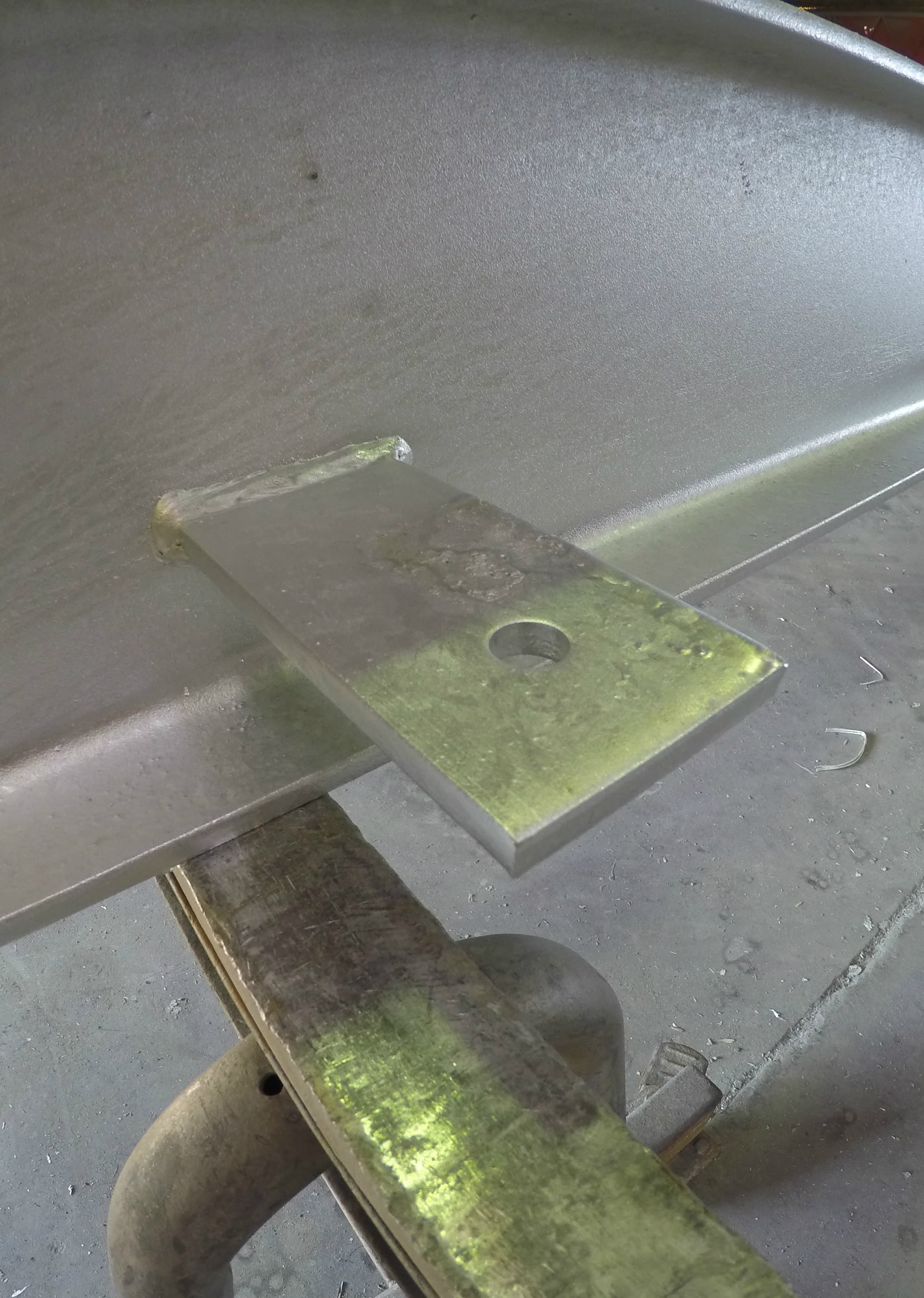
- Injection molds, tire molds, extrusion tooling. Polished surfaces can't tolerate abrasion. See plastic injection, tire molds.
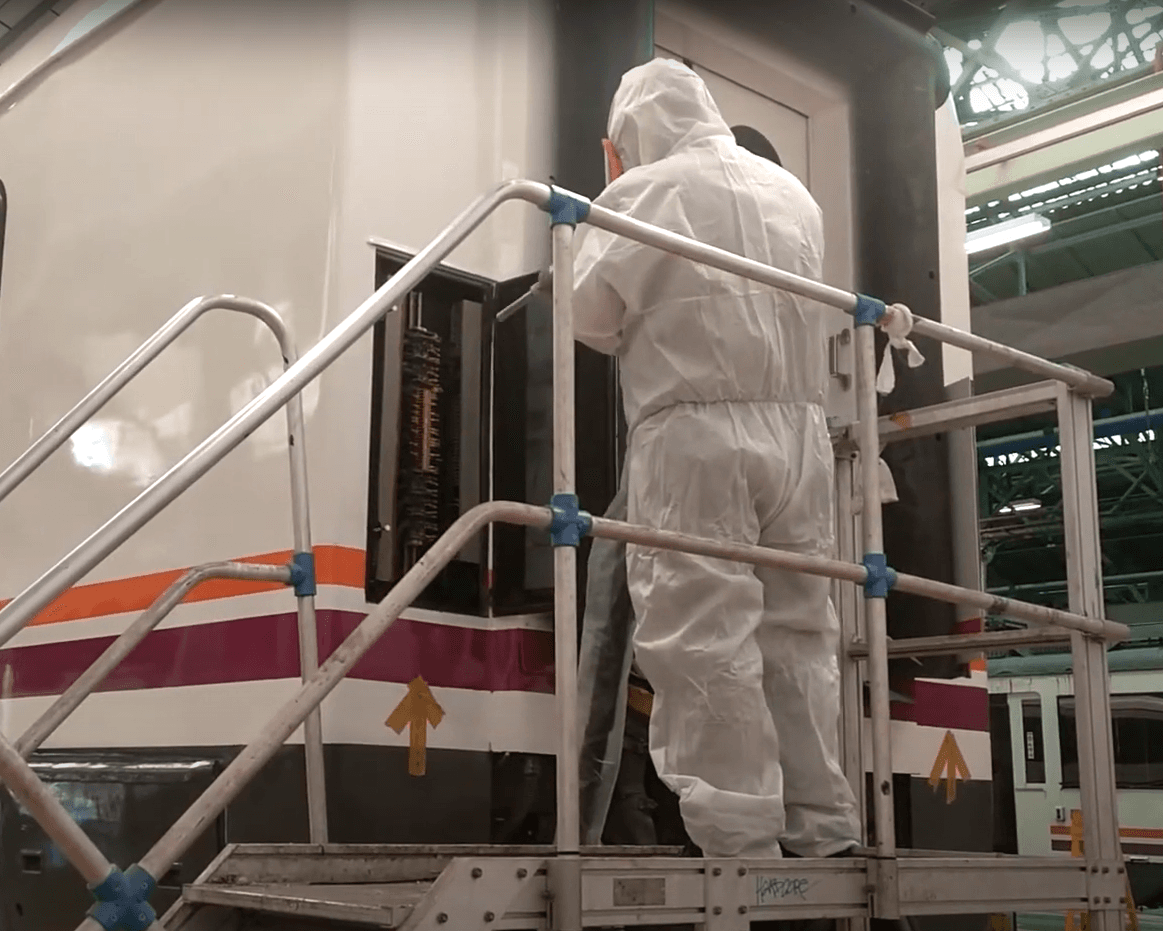
- Electrical panels + live equipment. Dry ice is non-conductive and doesn't introduce moisture.
- Food processing. CO₂ is EPA/FDA/USDA approved. See bakeries & food.
- Historic restoration + sensitive substrates. Wood, brick, delicate paint, heritage metalwork.
- Mold remediation. No water reintroduced. See mold remediation.
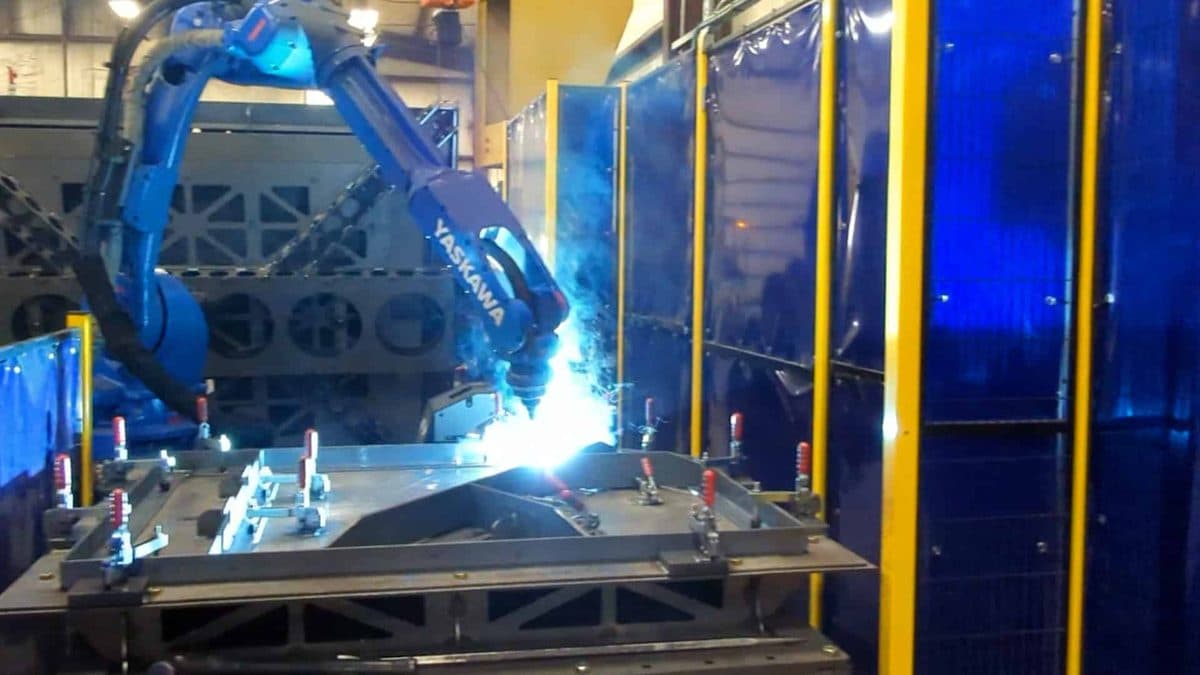
- Welding cells + robots. Clean spatter in place. See welding robots.
When sand still makes sense
Sand blasting isn't obsolete. It wins when the job is:
- Heavy rust or paint stripping on outdoor steel where the substrate is robust and you actually want surface profiling for re-coating.
- Bridge, ship, structural steel where containment is already standard.
- Price-sensitive small jobs where hourly rate dominates and downtime isn't a factor.
The tradeoff: silica dust is a regulated health hazard (OSHA PEL 50 µg/m³), grit disposal is regulated, and the substrate will wear over repeated blast cycles.
When soda makes sense
Soda sits between sand and dry ice. It's softer than sand (less likely to gouge sheet metal) but still generates residue that has to be cleaned up. It's commonly used for:
- Automotive panel cleaning where abrasion must be minimal.
- Masonry cleaning where water rinse isn't an issue.
- Graffiti removal from porous stone.
A reasonable middle ground for one-off restoration work. For production cleaning on a plant floor, dry ice usually wins on downtime alone.
Which method fits your application?
Hourly rate figures reflect industry estimates published by Cold Jet and Polar Clean. Rates vary by region and application.